
Danbury Resident Lookup Record Map
No official tool is a universal Danbury resident directory. Each record keeper answers one question and leaves another open. A property card can show an assessed owner and parcel. The voter service can show a person-specific registration result. Civil Inquiry can show a public case appearance. DPH and the Town Clerk control vital-record copies, while Probate, SOTS, and DCP add estate, business, and credential clues.
| Record | What It Confirms | Where to Search | Access |
|---|---|---|---|
| Property card | Assessed owner, parcel, situs and mailing clues | Danbury eQuality | Public search |
| Voter registration | Registration and polling assignment for a known person | CT voter lookup | Name, town, DOB; privacy limits |
| Court index | Public party, docket, case type, status, and disposition clues | Civil Inquiry | Public covered cases |
| Vital records | Birth, death, or marriage event evidence | DPH / Danbury | Eligibility and ID rules |
| Probate, business, license | Estate, principal, agent, credential, status, or address clues | Probate, SOTS, DCP | Public narrow-purpose lookups |
Choose the first source by the clue in hand. An address favors the card and GIS. A name with a likely court matter favors Civil Inquiry. An heir question favors PD43 Probate Court. A former classmate may be better served by Museum yearbooks and newspapers. The aim is not the most results; it is the clearest match between a person and a record relationship.
Build a Two-Source Danbury Identity Match
Same-name errors are common when a search begins with only a surname. Use the smallest distinctive combination available: surname, first name or initial, Danbury, approximate year, street, occupation, business, or relative. Run spelling variants, married or maiden names, suffixes, estate or trust forms, and the name as printed in an older directory.
Two independent fields should agree before records are treated as the same person. Useful pairings include the same MBL and street, the same occupation and spouse, a business and credential number, a court chronology and address clue, or a newspaper notice and cemetery entry. A mailing address on a property card may point to an owner elsewhere. It is a clue, not a current-residence statement.
- Write the name exactly as indexed and list likely variants beneath it.
- Use the Danbury property card or voter result only when the required address or identity fields are known.
- Check a second custodian, such as Civil Inquiry, Probate, a vital index, or a newspaper.
- Record the source date, relationship, and any missing or protected field.
The result is a documented lead rather than a bare name. A stronger confirmation still comes from the custodian's file, image, or certified copy.
Danbury Assessor Owner Search
The Danbury eQuality portal accepts Owner Name in a last-name-first convention, plus location number, street, unit, MBL, unique identifier, condominium complex, and property use. The card's result columns include Street Name, Number, Unit, Name, Uniqueid, MBL, Property Use, Acres, Zone, Buildings, and Condo Complex. Search the surname first, then use the street and parcel fields to separate people with common names.
Danbury's latest valuation data comes from the 2022 revaluation and the property-card page says the portal updates nightly. Connecticut assessment uses 70 percent of estimated fair-market value. That figure describes the assessment method. It does not establish a sale price, a family relationship, or who is present at the situs. Read the mailing and situs addresses as distinct fields.
The Danbury property-record search is the current official starting point for an owner clue.
Check the Danbury Court Index
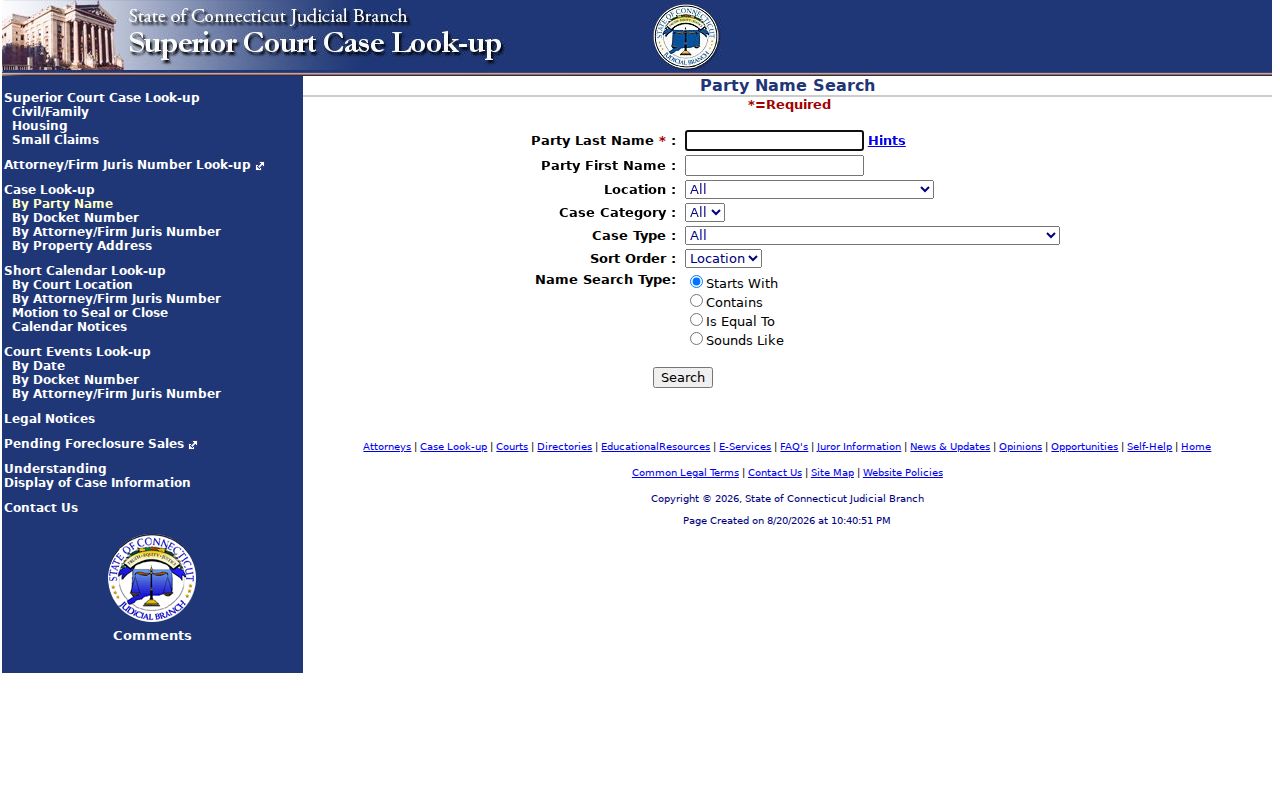
Connecticut Civil Inquiry is a statewide public civil index with a local filter. Party Search requires a last name and accepts an optional first name, location, case category, case type, name-search mode, and sort order. DBD-Danbury Judicial District is one of the location choices. “Starts With” is the default; “Contains,” “Is Equal To,” and “Sounds Like” can find a different indexing form.
A visible result may contain the case name, type, docket number, file or return date, court location, parties and attorneys, last action, motions, pleadings, documents, status, disposition, and dates. Events update nightly, while some calendars follow a separate schedule. Sealed, juvenile, protected, and restricted matters may not appear. A public party appearance does not establish a current Danbury address.
| Party Last Name | Required text field, maximum 54 characters. |
|---|---|
| Party First Name | Optional text field, maximum 50 characters. |
| Location | All locations or a selected district, including DBD-Danbury JD. |
| Match mode | Starts With, Contains, Is Equal To, or Sounds Like. |
| Result fields | Case header, docket identifiers, parties, attorneys, actions, documents, status, and disposition where public. |
The Connecticut party-name portal shows the actual controls.
When a summary matters, the Danbury Judicial District clerk at 146 White Street, phone 203-207-8600, is the human verification route. Older civil material may require a courthouse terminal, and a clerk controls copies and certified copies.
Verifying Danbury Resident Records
A name-to-record verification should move from a broad clue to a narrow document. First anchor the name to an address, parcel, business, or date. Then compare the name in Civil Inquiry, a vital index, a probate case, or a historical collection. If the match matters, request the underlying file or certified copy from its custodian.
- Anchor the name with an assessor card, known voter result, business filing, or directory address.
- Run Civil Inquiry with the Danbury district and several match modes, leaving the first name blank when needed.
- Check a vital or newspaper index for a spouse, parent, death, marriage, or move that supports the identity.
- Use the source office for the document image, courthouse file, or certified copy rather than relying on an index label.
- Docket
- A court's identifying case number and record trail, used to locate the public case file.
- Index versus image
- An index is a searchable summary; an image is the scanned document and may require an account or copy fee.
- Certified copy
- A custodian-issued copy marked as an official reproduction, not a screenshot or directory entry.
- Disposition
- The recorded outcome or status of a case when the public display provides it.
Keep the original spelling, page, docket, MBL, or certificate request details. A clean audit trail makes a correction easier if two people were merged by mistake.
Verify a Danbury Vital Event
Danbury local records and the DPH State Vital Records Office are complementary routes. State registries cover Connecticut birth, death, marriage, and fetal-death records from July 1, 1897 forward. Danbury issues local certified copies, generally at $20, while the state lists $30 for a state birth copy and $20 for state death or marriage copies. Danbury's in-person instructions call for government photo ID, cash or check, and no credit cards.
Birth records younger than 100 years are restricted under CGS §7-51. Death and marriage copies are broader for adults under CGS §7-51a, but SSN access is limited. A divorce decree comes from the Superior Court, not DPH. A newspaper, directory, or index can identify a possible event; the eligible requester and custodian form control the certified copy.
The Connecticut DPH ordering guidance lists state, town, mail, in-person, and approved online channels. Confirm payment and ID instructions with Danbury before mailing.
Use Danbury Voter Lookup Carefully
The Connecticut voter lookup requires town, first name, last name, and date of birth. Its expected scope is registration and polling information for that person. The live form returned a bot rejection during research, so the exact result wording is a research gap. The Danbury Registrar can explain current registration channels, wards, and polling assignments.
Month and day of birth are exempt from public disclosure under the current state rule; only the year is released. Protected voters and Address Confidentiality Program participants may be withheld. The statewide voter file costs $300, is delivered as CSV, and is subject to statutory election-related, scholarly, journalistic, political, or governmental use rules. It is not a private street roster.
The official voter lookup is the correct route for a known person.
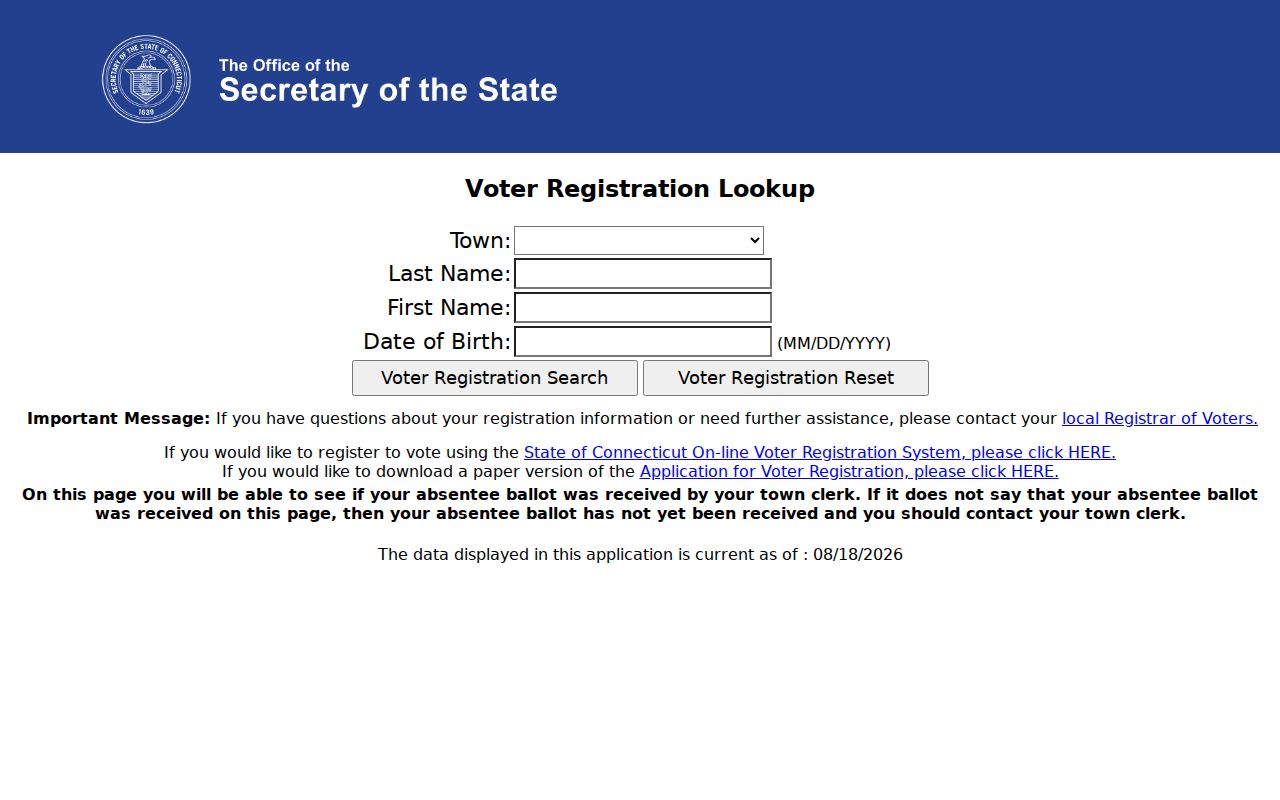
A nonmatch can reflect spelling, status, privacy, or a scope limit. Treat the result as one civic record, not a statement about every person at an address.
Look for a Danbury Business or License
Business and credential records can separate two people with the same name. Business.CT.gov accepts a business name, ALEI, or filing number and may show Business ID, principal, agent, formation date, entity type, street address, city, state, ZIP, and annual-report PDF. DCP eLicense accepts license type, prefix, number, status, business or DBA, first name, last name, and address fields. Results can show credential number, status, effective and expiration dates, scope, and related address data.
Danbury trade names are Town Clerk filings using organization, natural-person, addendum, and cancellation forms. Each form is $20 and expires after five years. A principal, agent, licensee, or trade-name filer is tied to a filing or credential. That relationship is not automatically a personal residence, and it should be dated.
The Connecticut eLicense verification page supplies the public credential fields.
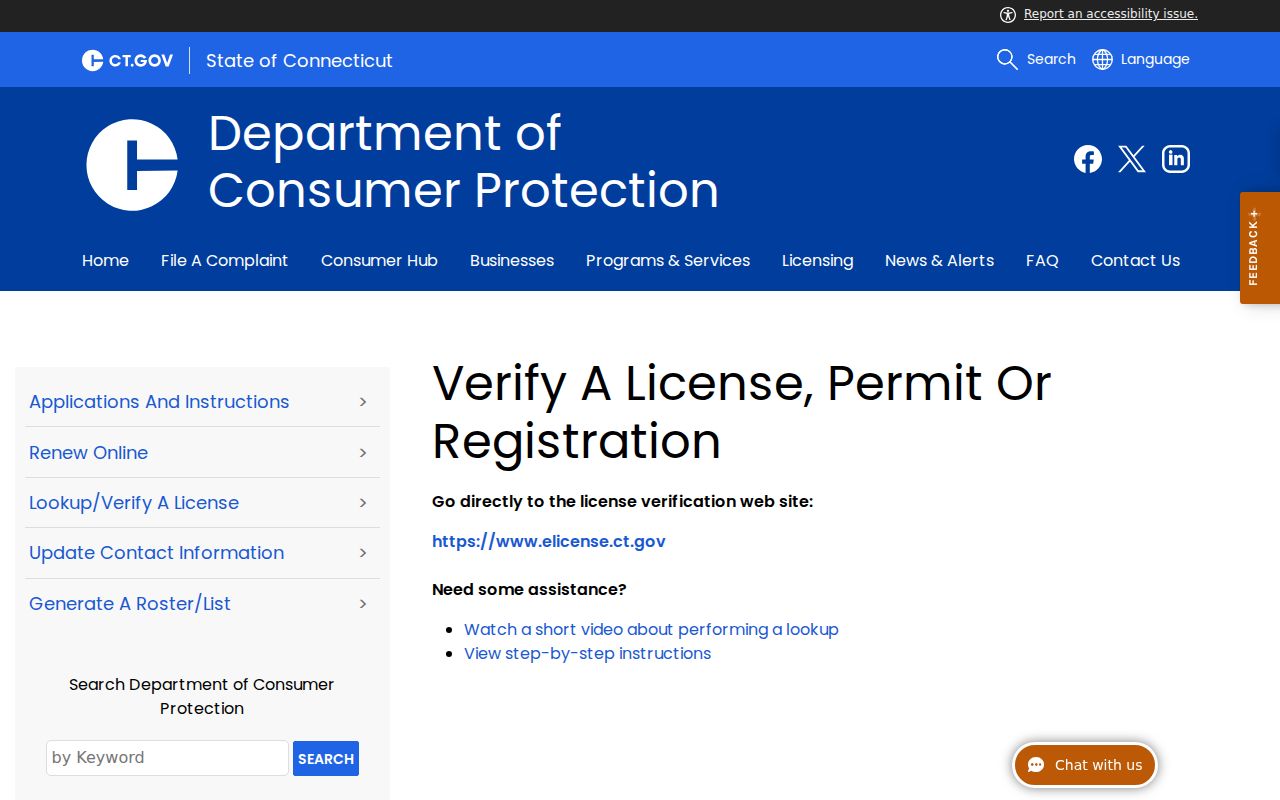
Use the entity or credential number to distinguish a real match from a similar name, then compare it with a second record source.
Danbury Leads for Heirs and Classmates
A Danbury resident lookup can support a family-history question without forcing every search through current records. Probate Case Lookup includes the Danbury Probate District PD43 and stated decedent-estate and trust coverage from January 5, 2011 forward. A case can expose a fiduciary or contact clue, while the Probate Court controls documents and protected information.
For a former classmate, the Museum and Library school yearbooks, newspapers, family files, and WCSU archives may be more useful than a current index. For an adoption or birth-parent question, use Connecticut DCF's official Adoption Records Search and Reunion Registry. DCF lists separate forms, statutory limits under CGS §§45a-743 through 45a-757, and a Search Unit contact for adoptions completed since 1944. A public lookup cannot open sealed adoption files.
The Connecticut Probate Case Lookup shows case type, district, status, last name, and first name controls.
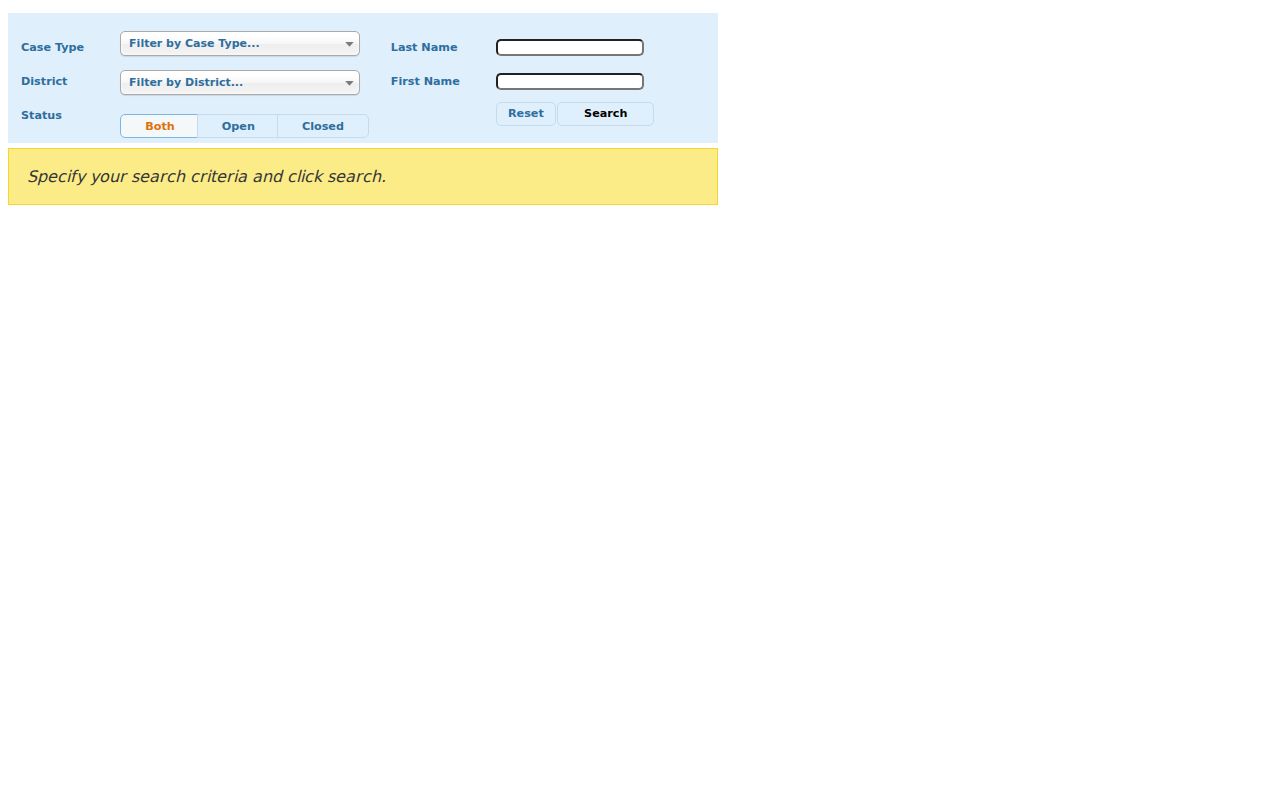
Newspapers, cemetery files, yearbooks, and directories can reconnect a family or classmate when a current record is restricted. Keep the search purpose and source relationship clear.
Where a Danbury Resident Lookup Ends
Public research stops at deliberate boundaries. Birth records under 100 years, sealed or protected court material, confidential adoption files, protected voter records, DMV data controlled by the DPPA, and safety-sensitive addresses may not be available. An FOI request can seek nonexempt municipal material, but Connecticut's Freedom of Information Act does not make every personal field public.
If a record is wrong, identify the custodian first: Town Clerk for deeds, vital records, or trade names; Assessor for a property card; Registrar for voter data; court clerk for a docket; DCP for a license; SOTS for a business filing. Ask for the correction or redaction path in writing. A commercial opt-out cannot amend a source record.
Lawful personal use. A Danbury resident lookup is for personal, lawful research, genealogy, civic questions, and reconnecting. Do not use a name or address result to stalk, harass, threaten, intimidate, or harm anyone.
Note: A search result should always carry its source date and relationship, such as owner, registered voter, party, licensee, or historical subject.