
Sources for Danbury Previous Residents
A Danbury address history needs several eras because no single source runs from the present to the first occupant. Current parcel sources and recorded deeds are strongest for ownership. Directories and census records show dated household or address snapshots. Building records and Sanborn maps help date the structure. Newspapers, probate, vital records, and cemetery files can explain a name leaving the chain.
| Source | Years It Covers | Where Held | What It Shows |
|---|---|---|---|
| Property cards | Current portal; 2022 revaluation | Danbury eQuality | Assessed owner, MBL, situs, mailing, sales clues |
| RecordHub / Town Clerk | Exact online years unverified; local historical records | RecordHub and 155 Deer Hill Avenue counter | Deeds, mortgages, liens, releases, plats, legal parties |
| Danbury directories | 1877–78; 1885–90; 1891; later files; 1992 | Museum, WCSU, genealogy collections | Names, occupations, addresses, street sections |
| Building archive | Records back to 1965 uploading | Building Department / OpenGov | Permits, inspections, plans, violations, certificates |
| Census | 1790–1950; 1950 latest released | Federal and Library research channels | Household composition at census dates |
| Newspapers, probate, cemetery | Varies by collection | Museum, Library, State Library, Probate PD43 | Deaths, heirs, moves, family, burial, public notices |
The RecordHub date table displayed headings but not verified row dates during research. That gap stays attached to the deed source. The RecordHub gateway is still the online start, with the Town Clerk counter as the confirmed fallback.
Start With the Current Danbury Parcel
Search the current Danbury property card by owner name, street, number, unit, MBL, or unique identifier. Record the situs and mailing addresses separately, then open AxisGIS and confirm the parcel geometry, parcel ID, layers, and Documents & Links. Save the inspection date because the GIS viewer warns that data can change.
The MBL is the key bridge. A street spelling may change, an address may gain a unit, or a subdivision may divide a tract. The municipal parcel identifier and legal description can keep the chain connected. The assessed owner is the starting buyer candidate, not proof of every person who occupied the property.
The Danbury AxisGIS viewer supplies the map and parcel detail, while the Danbury property-card search supplies the structured fields.
Pull the Danbury Purchase Deed
Use the current owner as a grantee candidate in the Danbury Town Clerk's RecordHub index. Search around the sale or assessment date, then read the document itself when an image is available. Capture recording date, document or book-and-page number, grantor, grantee, legal description, consideration if shown, and the link or access rule for the image.
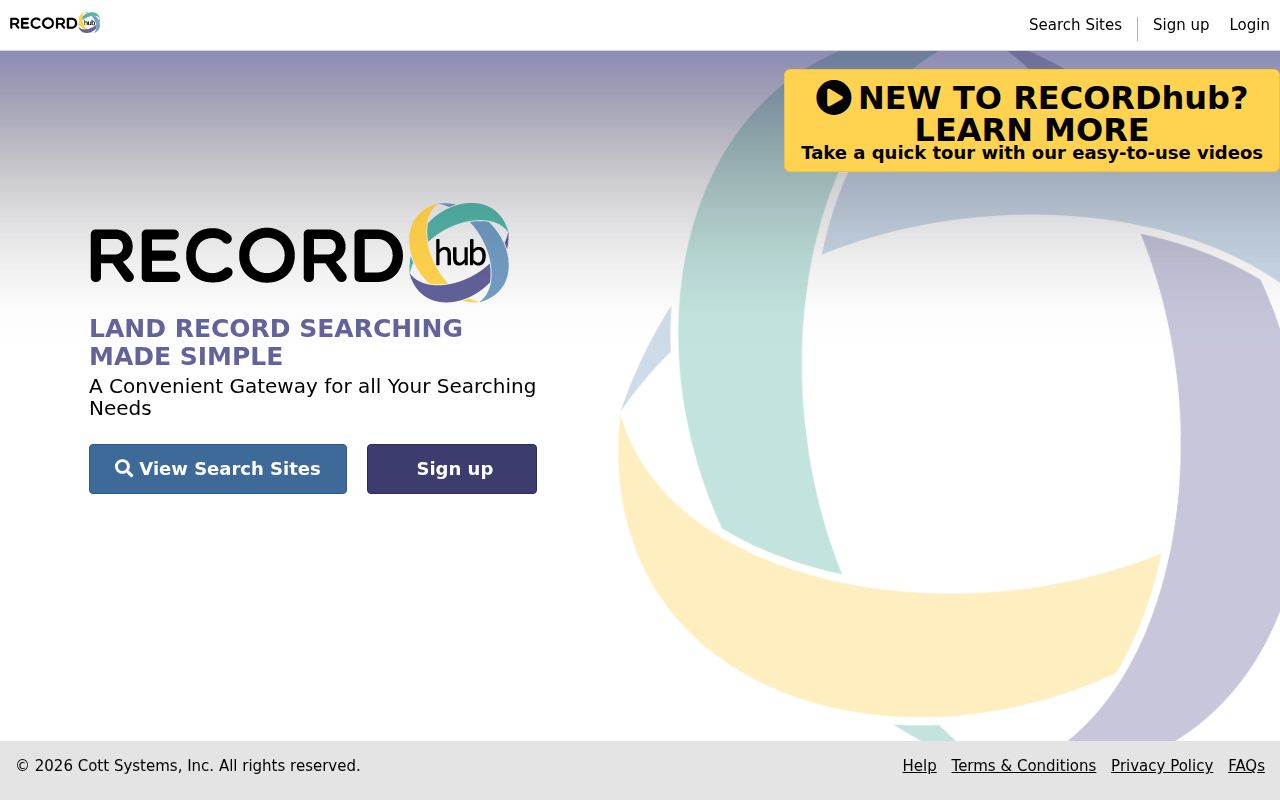
RecordHub advertises a no-subscription land-record plan with index and images for most documents. Its date-availability table includes Index Type, Index From, Index Thru, Image From, Image Thru, and Comments, but the inspected session did not return the actual rows. Searches, images, and prints can have account or payment rules. The Town Clerk counter makes land-record copies for $1 per page at 155 Deer Hill Avenue.
The RecordHub records gateway shows the online entry point and access options for the Danbury land-record path.
Call 203-797-4531 before relying on an early deed, mortgage, lien, release, plat, or military discharge cutoff. A human search can answer what the static portal did not expose.
Walk the Grantor-to-Grantee Chain Backward
The key movement is grantee to prior grantor. Once a deed identifies the buyer and seller, search the prior seller as an earlier grantee and test the same legal description, lot, subdivision, or parcel. Repeat the step until the name no longer matches the property or the available record ends.
- Normalize the current address and record the MBL, parcel ID, situs, mailing address, and inspection date.
- Find the current purchase deed and write down the grantor, grantee, recording date, and legal description.
- Search the grantor as an earlier buyer, testing spelling, estate, trust, corporation, and name suffix variants.
- At each date, compare the legal description and parcel context before accepting a same-name result.
- Use a directory, permit, newspaper, probate, or cemetery record to explain a gap between transfers.
- Grantor
- The party transferring an interest, commonly the seller or releasing party in a recorded document.
- Grantee
- The party receiving an interest, commonly the buyer or recipient named in the document.
- Chain of title
- The linked sequence of recorded interests leading from an earlier owner to a later one.
- Legal description
- The lot, tract, subdivision, or metes-and-bounds language that identifies the land beyond a street label.
A name match without the same land description is not a completed chain. Trust and estate names deserve their own search because the person remembered by a family may not be the indexed party.
Use the Danbury Directory Era Table
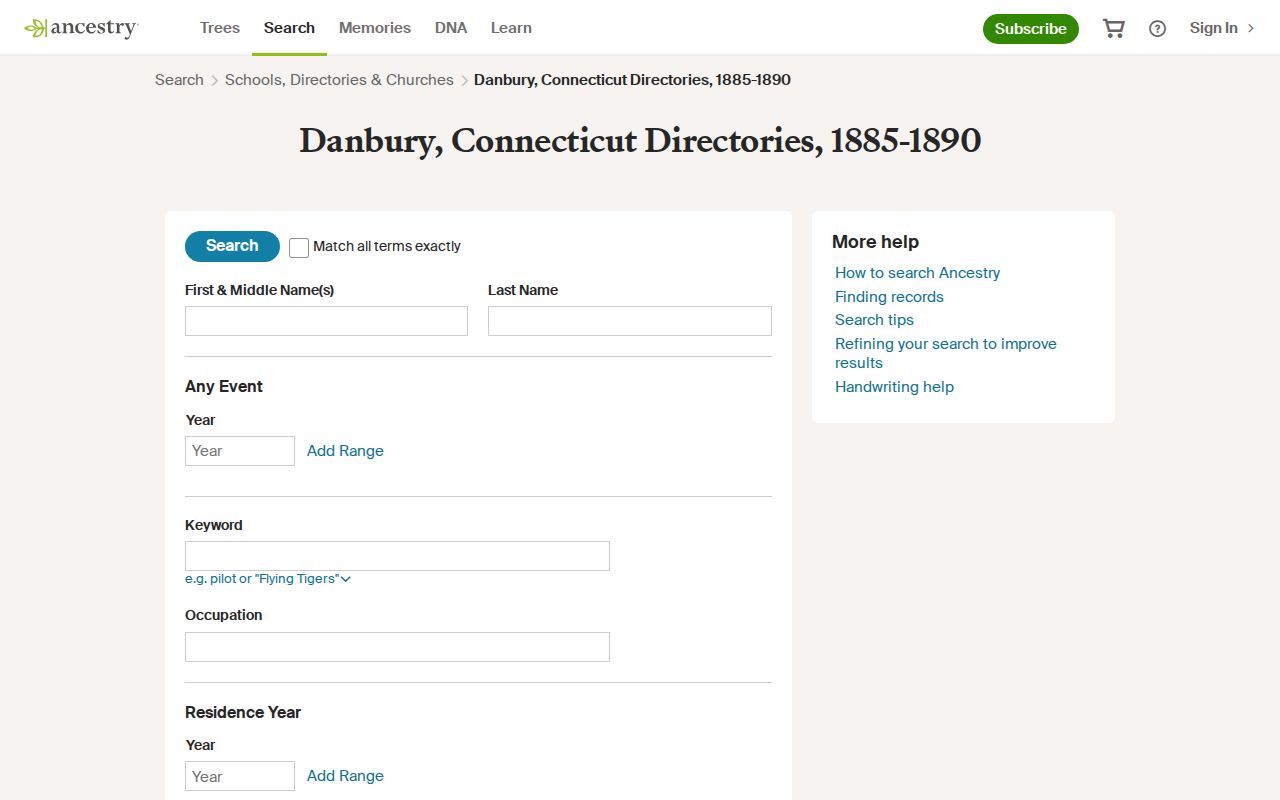
Directories bridge the years between deeds. Danbury's earliest verified local file is 1877–78. Webb, Carter, Thompson, Breed, and Crofutt runs cover 1885–90, the Museum has split 1891 files, a broad twentieth-century file, and a 1992 Catalist Danbury–Bethel volume. The street section can convert a number into a printed occupant or business clue.
Metadata for the named publisher runs is available through an established genealogy collection, where a 1890 description mentions chiefly heads of households. The 1890 federal census loss makes the local directory especially useful, but the directory remains an annual snapshot. Pair it with 1880, the fragmentary 1890 substitute, 1900, 1910, 1920, 1930, 1940, or 1950 census material.
The Danbury directory publisher metadata helps select an exact edition.
Keep the printed page, name spelling, address, occupation, and notation key with the citation. A later directory may use a different abbreviation or list the person under a changed household role.
Date a Danbury House With Maps
Building records can date construction, alteration, inspection, violation, or a certificate of occupancy or acceptance. Danbury says thousands of records reaching back to 1965 are being uploaded through Building/OpenGov. A permit applicant or plan contact is a record role, not necessarily a past occupant. Request the address, date span, and record type.
Sanborn maps and historic map material can show building footprint, use, number, and neighborhood context. The research located Danbury map links but did not verify the exact local Sanborn sheet years. Keep that uncertainty visible. A map can support continuity, while the recorded deed and parcel legal description control ownership.
The Danbury Building OpenGov route is the request path for records that are not yet visible online.
The Danbury Museum history timeline supplies dated local context for pairing a house question with newspapers, municipal records, and business history.
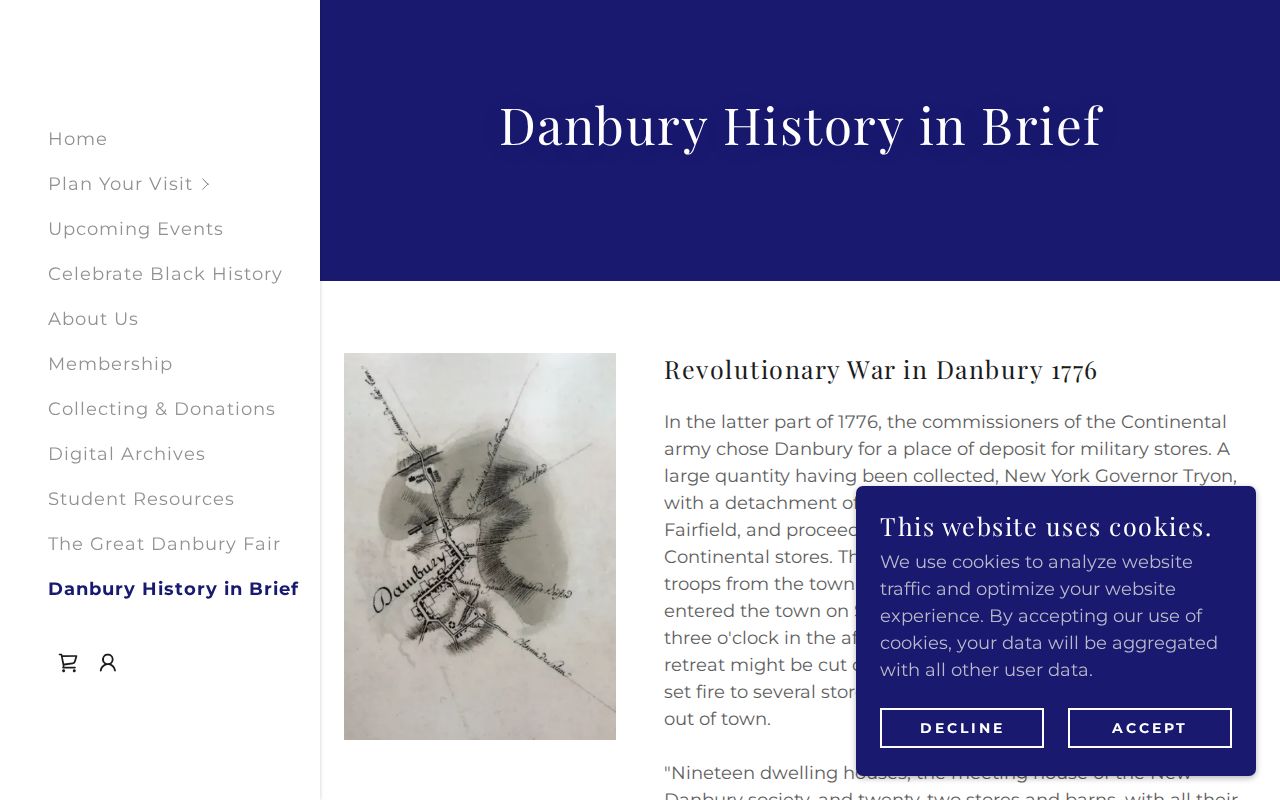
The 1777 raid, hat industry, railroad, and 1869 flood are historical anchors, not proof of a particular occupant; they help select the record family and date range.
Ask the Museum to Bridge Addresses
The Danbury Museum at 43 Main Street, phone 203-743-5200, is the strongest local custom route for a former-resident question. Staff-assisted onsite research is free with an appointment, one researcher is allowed per slot, and listed hours are Wednesday through Saturday in the afternoon. The holdings include directories, early deeds, Grand Tax Lists, family surname files, newspapers, cemeteries, school yearbooks, military records, and municipal material.
The Museum lists $0.25 copies and microfilm prints, and remote research at $25 per half-hour including 25 photocopies, with the first half-hour prepaid. Bring the current address, old spelling, MBL, likely years, and the names already found. Staff can ask whether the broad twentieth-century directory file, an unlisted ledger, or a family folder fills the gap.
The Danbury Museum research page gives appointment and copy details.
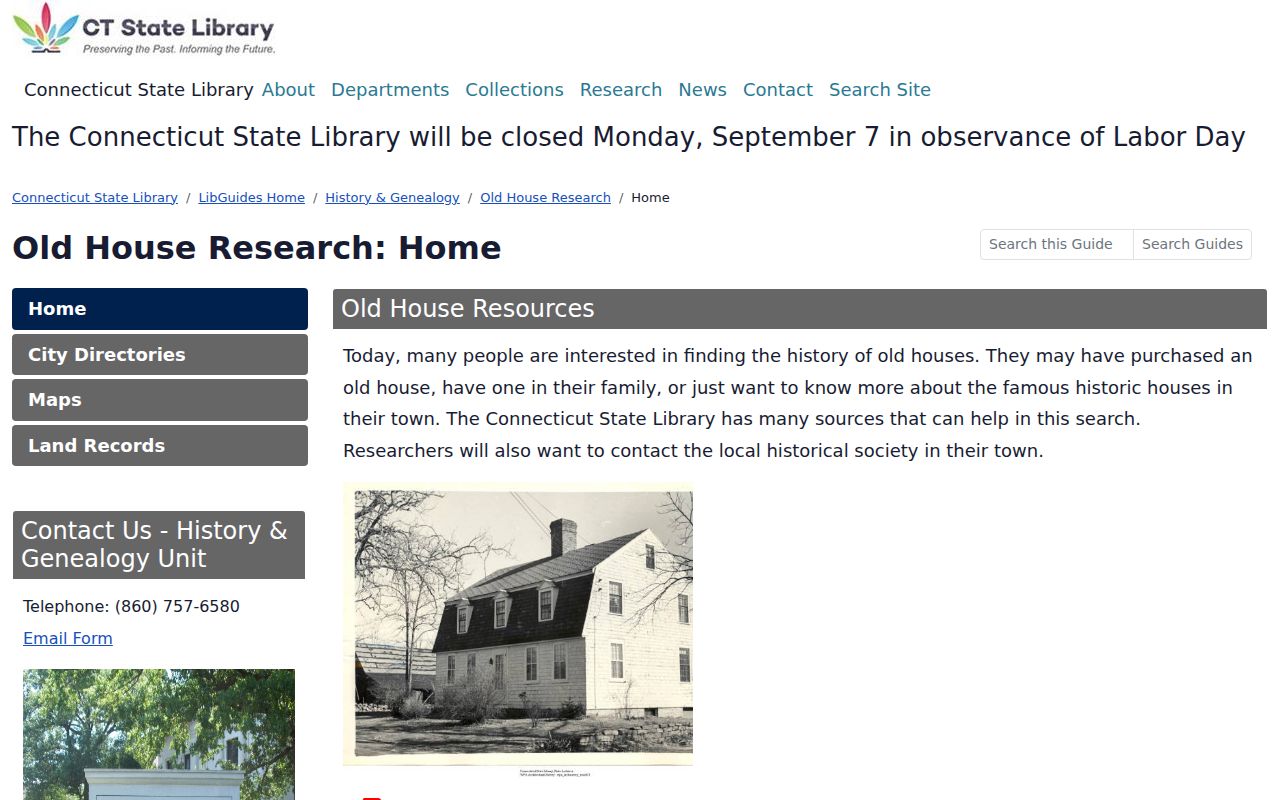
The Connecticut State Library old-house guide provides the wider pairing of deeds, maps, directories, tax, census, probate, newspapers, and architectural clues.
Close the Trail With Danbury Obituaries
A former resident's trail often ends in an obituary, probate case, cemetery record, or death certificate. The Museum and Library newspaper routes cover Danbury News, News-Times, and microfilm material; State Library vertical files include biographies, obituaries, family folders, Bible material, Barbour corrections, and clipping files. No single Danbury-only obituary database was located.
Probate Case Lookup includes PD43-Danbury Probate District and stated decedent-estate and trust coverage from January 5, 2011 forward. A case index may expose a fiduciary or heir clue, but the Probate Court controls documents. Danbury death certificates are generally $20, and the requester relationship and SSN rules depend on the record and date.
The Connecticut Probate Case Lookup is the first estate-index step. Cemetery and family files remain Museum research routes.
Flag Danbury Address Continuity Traps
Address history can break even when a parcel remains nearby. Test unit numbers, renamed or shortened street suffixes, old road names, business names, subdivisions, parcel splits, and neighboring lots. Search the MBL, legal description, grantor, grantee, street-only, number-only, and map layers. A Danbury street-renumbering year was not verified in the official sources, so the gap should be treated as a question for the Museum or city offices.
A building permit can date a change without proving a transfer. A directory can show a name without proving ownership. A tax or assessment value is not a purchase price. Write down what each layer can and cannot establish before moving to the next source.
House-history limit. Previous residents are reconstructed from dated records for a parcel or address. Use that trail for lawful personal and family research, and do not use an old name or address to stalk, harass, threaten, or harm anyone.
Past Households: Directories and Census
Directory street sections and census records complement the deed chain. A directory can show an address, occupation, spouse or widow notation, boarder mark, or business. A census can show household composition on its enumeration date. Neither is a continuous occupancy log. Use a newspaper, vital record, probate file, or cemetery record to explain a change.
The Danbury city directory collections page explains how to read the named publisher runs, while the Danbury street directory handles current address-keyed records. Keeping those roles separate prevents a historical occupant from being mistaken for a current owner.
Note: The safest endpoint is a chain of dated sources, not a single name found at an old number.