
Start Finding Danbury Residents
A useful Danbury resident search is a sequence, not one master file. Begin with the record that fits the question. An address points first to the Danbury property-card search and AxisGIS. A name can move through the court party index, voter lookup, business filings, and license records. An older household belongs in the Danbury Museum and Library collections, where printed directories, newspapers, yearbooks, and family files add time and context.
These sources describe different relationships. An assessor card names an assessed owner and parcel. A deed identifies parties to a recorded transfer. A voter result concerns registration and civic assignment. A directory is an annual snapshot and may list a head of household, business, or boarder. Guests, relatives, and many occupants will not appear. Record the source date and the exact relationship beside every name.
- Choose the smallest useful starting clue: full name, surname, street, number, parcel, or an approximate year.
- Use the Danbury property-card search for an owner, street, MBL, or unique identifier.
- Check the Connecticut voter lookup only with its required town, name, and date-of-birth inputs.
- Search the Civil Inquiry party index or the Town Clerk land-record path for a separate confirmation.
- For a former resident, move to the Museum's scanned directories, newspapers, census pairing, probate, or cemetery files.
Where Danbury Keeps Resident Records
Danbury sits in Fairfield County, but Connecticut has no county recorder or county clerk government. The municipal Town Clerk is the local land-record custodian, and the same office handles certificates, trade names, military discharges, maps, election filings, and other city records. The Assessor maintains property cards, the Registrar handles voter administration, and the courts keep their own case files. That division keeps a searcher from sending a Danbury deed question to a nonexistent Fairfield County counter.
The offices below are the practical first stops. The Town Clerk is at City Hall, 155 Deer Hill Avenue, Danbury, CT 06810, phone 203-797-4531. Office hours are Monday through Wednesday 7:30 a.m. to 6 p.m., Thursday 7:30 a.m. to 6:30 p.m., and closed Friday through Sunday. The Assessor is also at 155 Deer Hill Avenue, phone 203-797-4556. Danbury's Registrars of Voters list 203-797-4550 and the same City Hall location.
Danbury Town Clerk
155 Deer Hill Avenue
Danbury, CT 06810
203-797-4531
Danbury Registrars
City Hall, 155 Deer Hill Avenue
Danbury, CT 06810
203-797-4550
Note: A municipal custodian may have a better answer than a broad county search because Connecticut assigns these records by town.
Danbury's Missing County Recorder
“Fairfield County deed search” is a tempting phrase, but it points the wrong way for Danbury land records. Fairfield County is a geographic and statistical layer, not a county-government recorder jurisdiction. The Danbury Town Clerk stores the local recorded land trail. For a Superior Court matter, use the Connecticut Judicial Branch. For a birth, death, or marriage certificate, use Danbury or the State Vital Records Office.
This local structure is one of the most important facts in a Danbury residents directory. A request that names the wrong custodian can look like a missing record when the real problem is routing. The Connecticut State Library explanation of the state's no-county-seat structure supplies the statewide context. A land-record copy at the Danbury counter is $1 per page; the online RecordHub path has its own account, image, and print rules.
Routing clue. For a Danbury deed, start with the Town Clerk. For a court case, start with Civil Inquiry or the Danbury Judicial District. For historic people research, start with the Museum and Library.
Danbury Property Cards by Name or Street
The Danbury eQuality property-card portal is the fastest current parcel route. Its Property Search accepts an owner name, location number, live Danbury street list, unit, MBL, unique identifier, condominium complex, and property-use choices. The owner field follows a last-name-first convention, so a surname-only search is often the cleanest first pass. Results can show Street Name, Number, Unit, Name, Uniqueid, MBL, Property Use, Acres, Zone, Buildings, and Condo Complex.
| Owner Name | Text field; search the last name first, then test spelling and estate or trust variants. |
|---|---|
| Location | Number, full street dropdown, and unit fields for a street or parcel search. |
| MBL / Unique ID | Parcel keys that help bridge the card to AxisGIS, a deed, or a plat. |
| Property Use | One category at a time, including Residential, Commercial, Farms/Barns, School, and Vacant Land. |
| Sales Search | Property type, sale date and price ranges, acres, MBL, zone, design, and residential characteristics. |
Danbury's current property-card page ties its values to the 2022 revaluation and says assessment is 70 percent of estimated market value; the data is updated nightly. That number describes the assessment method, not a sale price or a count of people. Keep the situs address, mailing address, MBL, and inspection date separate. The owner on a card is not automatically every person who lives at the parcel.
The assessor view is especially useful because it turns a street or surname into a stable parcel key. Once the MBL is recorded, AxisGIS can show the parcel's shape and related links, while the Town Clerk can supply the legal deed record. This is the numerical, practical bridge between a current property clue and the rest of the Danbury resident records.
For a visual start, the Danbury Town Clerk records page shows the local office and services behind the parcel search.
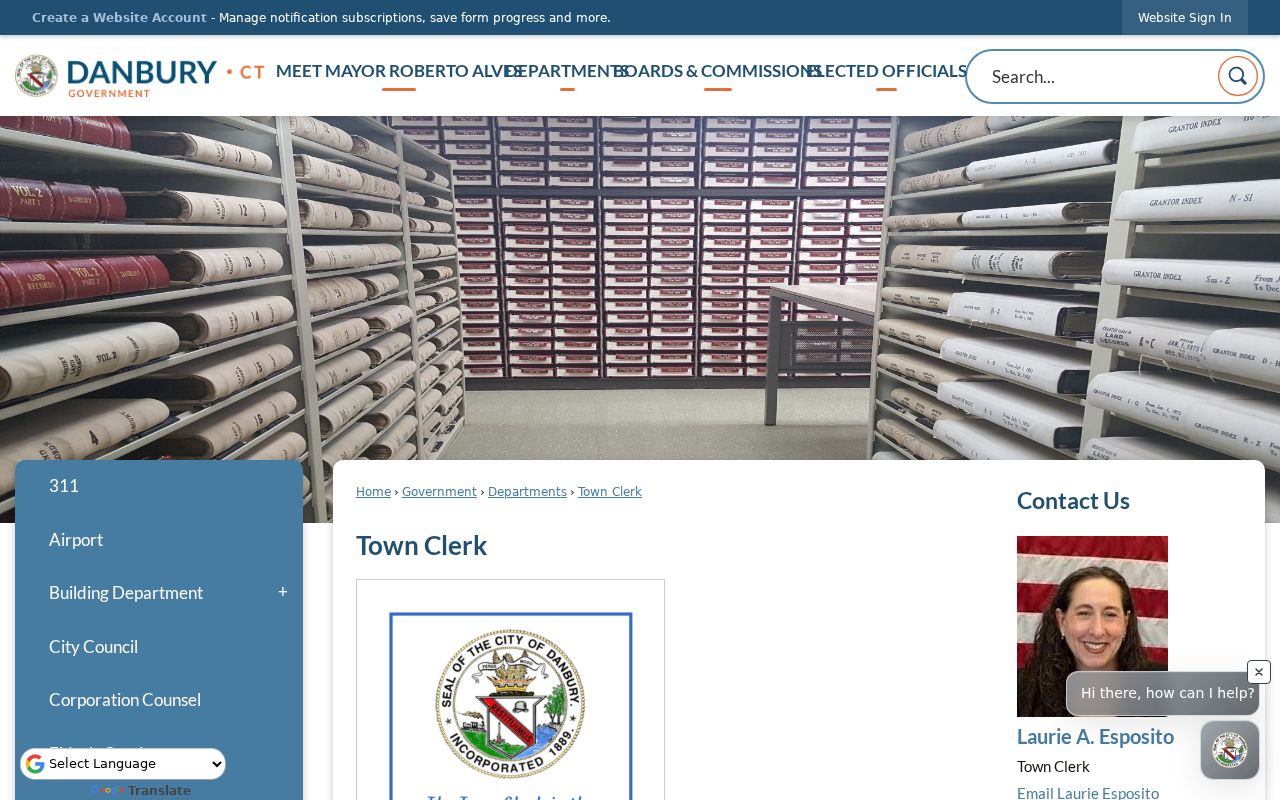
The Town Clerk page is the human handoff for copies, certificates, and land-record questions that the card cannot answer. It also links PropertyCheck, a free name-based email or text alert for new Danbury land-record recordings. PropertyCheck watches for new filings; it does not rebuild a historical resident list.
Danbury's Modern Resident Sources
Danbury has several directory-like sources, but each one has a narrow purpose. The property card is parcel-oriented. The voter lookup is person-specific and requires a town, first name, last name, and date of birth. RecordHub is a recorded-document index, not a list of all people at an address. Civil Inquiry shows public case parties. Business and license filings can connect a name to an organization or credential, but a filing address is not a home address.
| Source | What It Lists | Keeper | Access |
|---|---|---|---|
| eQuality property cards | Assessed owners, parcels, situs and mailing clues | Danbury Assessor | Public search |
| Voter lookup | Registration and polling assignment for a person | Secretary of the State / Registrar | Public lookup; protected fields withheld |
| RecordHub land records | Parties to deeds, mortgages, liens, releases, and plats | Danbury Town Clerk | Index/images plan; account and copy rules |
| Civil Inquiry | Public case parties, dockets, status, and dispositions | Connecticut Judicial Branch | Limited online case display |
| Business and license records | Principals, agents, credentials, status, and filing addresses | SOTS / DCP | Public state lookups |
A source belongs in the search only when it answers the question at hand. A registered voter can establish a civic record, not a complete household. A deed party can establish a transfer, not present occupancy. The Danbury resident lookup route is useful when a street clue turns into a one-person identity question.
Danbury Court Records by Party Name
The Connecticut Superior Court Civil Inquiry portal supplies a second independent name check. The Party Search form accepts a required last name, an optional first name, location choices including DBD-Danbury Judicial District, case category, case type, match mode, and sort order. “Starts With” is the default, but “Contains,” “Is Equal To,” and “Sounds Like” can catch a spelling or indexing variation. Narrow the location and case type when a name is common.
A public case result can show a case name, type, docket number, file or return identifiers, court location, parties and attorneys, last action, motions, pleadings, documents, status, disposition, and dates when the public display includes them. That is a case trail, not proof of a current Danbury address. Sealed, juvenile, family, protected, and otherwise restricted material may be omitted. Older civil material may require a courthouse terminal or a clerk request at the Danbury Judicial District, 146 White Street, phone 203-207-8600.
The Connecticut Judicial Branch Civil Inquiry hub is the source for the public case-search pathways.
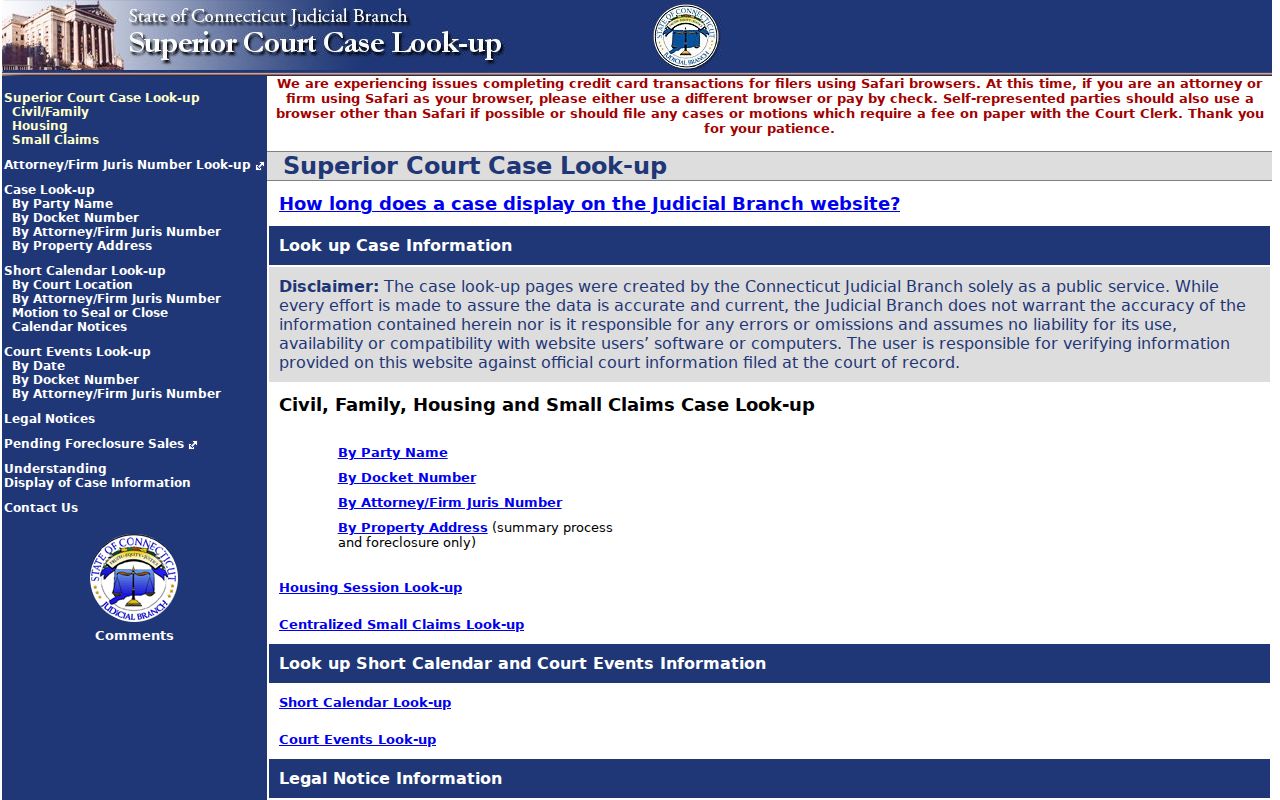
Use the result as a lead to verify, not as a label for a person. A docket can point to the right court file, while the clerk can explain what is public and how to request a copy or certified copy. Probate is separate: the statewide Probate Case Lookup includes PD43-Danbury Probate Court and stated decedent-estate and trust coverage from January 5, 2011 forward.
Danbury Voter Lookup Limits
The Secretary of the State voter lookup asks for town, first name, last name, and date of birth. It is not a street-browse tool. The expected result is a registration or polling assignment, while the public system does not promise a full birth date, Social Security number, ballot choice, or a downloadable street roll. Danbury's Registrar page lists registration and address-change channels, current ward and polling information, and seven polling locations.
Danbury's voting geography changed under a 2025 ordinance effective July 12, 2025. Use the current Registrar page and street listings when a ward or polling place matters. Month and day of birth are exempt from public disclosure under the current state rule, and a protected voter can be withheld under the Voter Privacy Program. A full statewide voter file costs $300, arrives as CSV, and carries statutory limits that make it unsuitable for a general private resident list.
The live voter form returned a bot rejection during research. The Connecticut State Library research gateway provides a broader handoff when a name needs a historical index, newspaper, map, or archive route.
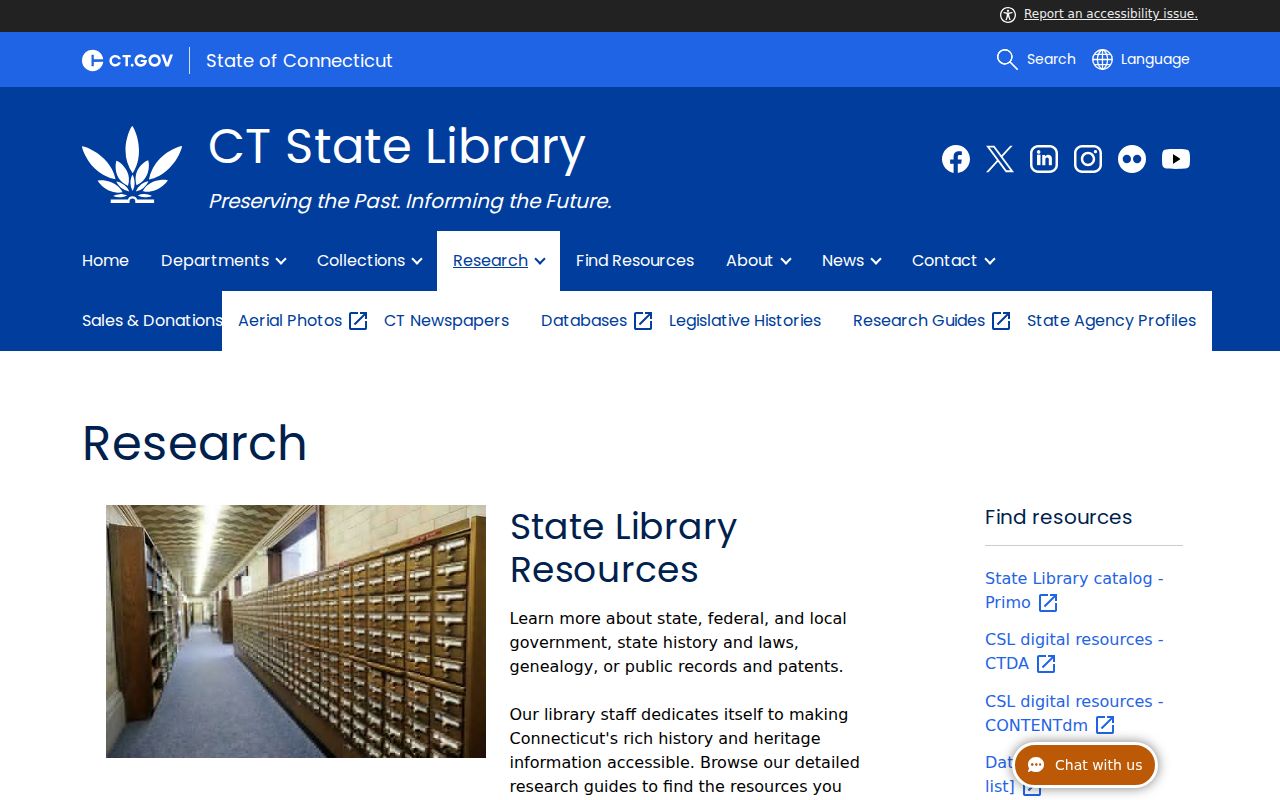
The gateway is useful when a current lookup stops. A missing voter result is not proof that a person never lived in Danbury. Registration can be inactive, changed, protected, or outside the requested record, so a civic assignment should be confirmed with the Danbury Registrar.
Danbury Vital Records Routes
The Danbury Town Clerk and the Connecticut Department of Public Health share the vital-record path. Danbury is the first stop for an event that occurred locally; DPH holds statewide birth, death, marriage, and fetal-death registries from July 1, 1897 to the present and can issue qualifying copies. A town copy is generally quicker. Danbury's page states $20 per certificate, cash or check payable to the City of Danbury, with no credit cards for in-person requests. Mail requests need payment, an ID copy, and a stamped return envelope.
Birth certificates younger than 100 years are restricted under CGS §7-51. Death and marriage certified copies may be requested by a person 18 or older under CGS §7-51a, but Social Security information is limited to specified relatives or parties. A death form asks for decedent details, requester relationship, and an SSN choice; a qualifying spouse, child, or parent may receive one veteran-related copy without charge. Divorce decrees come from the Superior Court, not DPH.
| Birth | Danbury or DPH form; records under 100 years need the eligible requester and ID path. |
|---|---|
| Death | Danbury or DPH; adults may request a certified copy, with restricted SSN access. |
| Marriage | Town of occurrence, a qualifying residence town, or DPH; adult purchaser rule applies. |
| Divorce | Danbury Judicial District or the court where granted, not the vital-record office. |
The State Vital Records Office and Danbury Town Clerk pages carry the current ordering channels. An index clue from a newspaper or directory is not the same as a certified copy.
Danbury's Directory Trail Through Time
Former Danbury residents are best approached through the local historical shelf. The Museum's digital archive has a 1877–78 Danbury City Directory, Webb's 1885–86 volume, 1891 A–L and M–Z files, a broad 20th-century directory file, and a 1992 Catalist Danbury–Bethel directory. Established genealogy metadata adds Carter and Co. 1886–87, Thompson, Breed, and Crofutt 1887–88, and Fred B. Crofutt runs from 1888–89 through 1890.
A city directory may provide a name, address, occupation, business clue, spouse or widow notation, and a street section. It is a dated snapshot, not proof that every occupant owned or continuously lived at the address. The Danbury city directory collections page holds the year-by-year reading method, Museum access details, WCSU record spans, and newspaper pairing.
Danbury Records Request Fallbacks
When a portal stops at an account screen, a missing row, or a protected result, move to the custodian instead of guessing. The Connecticut Freedom of Information Act, CGS Chapter 14, especially §§1-200, 1-206, 1-210, and 1-212, lets any person inspect or copy nonexempt public records. State agencies may charge up to $0.25 per page and municipal agencies up to $0.50 per page; a Danbury land-record counter copy is separately listed at $1 per page.
Route the request to the office that owns the record. Danbury Building/OpenGov handles permit, inspection, plan, violation, and certificate-of-occupancy requests, with thousands of records reaching back to 1965 being uploaded. Police uses a request form for incident or CFS number, date, and material. The Museum and WCSU handle historical collections by appointment or finding aid. A written request should state the name or address, date range, record type, preferred delivery, and willingness to pay a lawful copy fee.
The Danbury RecordHub gateway displays index and image metadata, but the exact online cutoff years and authenticated field screen did not load during research. The official CT BIG LIST is the separate state route for abandoned-property clues.
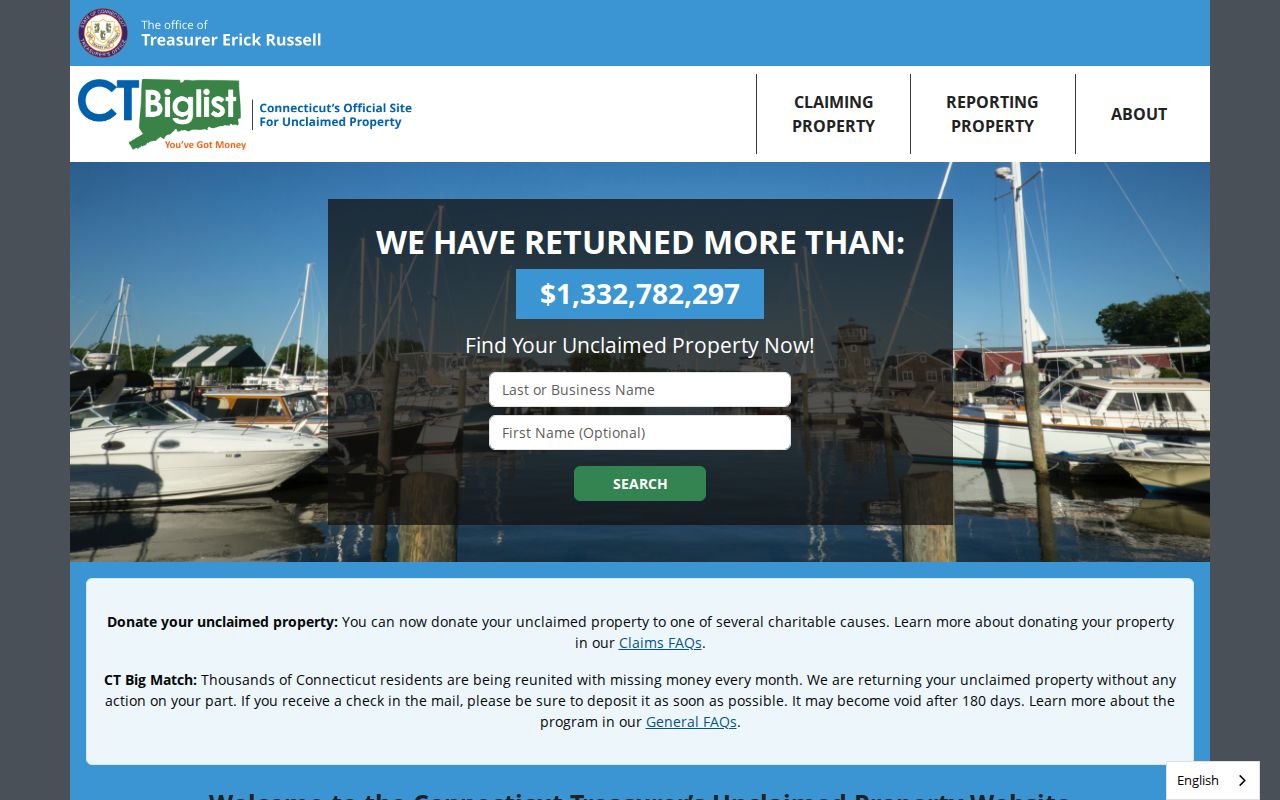
Unclaimed property is another narrow lead for a former name or heir. The official CT BIG LIST can suggest a possible match, but a claim requires proof and the live field screen was not exposed in the capture. Treat every fallback as a targeted record request, not as a promise of a complete resident file.
Danbury ZIP Clues Before a Resident Search
A ZIP can normalize an address, but it does not replace a parcel key. Danbury's city pickup guidance uses south of I-84 for 06810 and north of I-84 for 06811. The 2026 USPS destination table routes 06812 to 06811 and 06813 to 06810. The Danbury Tax Collector uses PO Box 237, Danbury, CT 06813, which shows why a mailing ZIP can belong to an office rather than a residence.
For a disputed address, compare USPS delivery guidance with the assessor card, AxisGIS parcel geometry, and the city department that owns the question. ZIP Code Tabulation Areas are statistical approximations, not USPS boundaries. The Danbury ZIP code directory explains the four verified routing entries, the I-84 service split, and the court form that accepts a full five-digit ZIP.
Danbury Business and License Leads
Some name searches become clearer through state business and professional records. Business.CT.gov accepts a business name, ALEI, or filing number and can show a business ID, principal, agent, formation date, entity type, street address, city, state, ZIP, and annual-report PDF. Connecticut DCP eLicense accepts a license type, prefix or number, status, business or DBA, first and last name, and city, state, ZIP, or country fields. Its result can show credential number and type, effective and expiration dates, status, scope, and related address information.
Danbury trade names are filed with the Town Clerk using organization, natural-person, addendum, and cancellation forms. Each form is $20 and a trade name expires after five years. These records connect a person to a business filing or credential at a point in time. They do not establish that the filing address is a personal residence, nor do they replace an assessor card, court file, or certified vital record.
The Connecticut eLicense verification portal is the best starting point for a credential clue, while Business.CT.gov is the state entity path.
Danbury Records and Safe Use
A strong Danbury resident match uses at least two independent fields, such as the same MBL, street, occupation, spouse or relative, business, or case chronology. A name alone is weak. Mark a record as owner, mailing contact, registered voter, court party, permit applicant, historical occupant, or archival subject. That habit prevents a directory entry or docket from becoming an unsupported claim about a living person.
Connecticut's Voter Privacy Program and Address Confidentiality Program can shield qualifying residents. Birth records under 100 years, sealed court material, adoption records, DMV data under the DPPA, and protected address information create deliberate limits. If a record appears wrong, ask the Town Clerk, Assessor, Registrar, court clerk, DCP, or SOTS about the correction path that belongs to that field. A commercial opt-out cannot amend the source record.
Lawful personal use. Public records support genealogy, civic research, reconnecting with family or classmates, and checking a transaction. Using address or name information to stalk, harass, threaten, or harm a person can violate Connecticut law.
Danbury's 1890 Directory Bridge
Danbury has an unusually useful bridge across a national gap. The 1890 federal census was lost, yet the local collection includes Fred B. Crofutt's 1890 directory and the Museum's 1891 split files. The directory metadata describes a city of about 15,000 and roughly 41,400 entries, chiefly heads of households. That count is collection metadata, not a census population, and it shows why a directory can contain more names than a simple population figure.
Pair the 1889 or 1890 directory with the 1891 A–L or M–Z scan, then test the address in a newspaper, deed, probate file, cemetery record, or later directory. The Danbury Museum's digital archive is the starting shelf; its staff can identify a broad 20th-century volume when the landing page does not list the exact year. A name, printed address, and occupation can fill part of the missing census story without pretending to be a complete household count.
Note: The earliest verified local directory file is 1877–78, while the exact last printed Danbury volume remains unverified.